COURTFIT GUIDESupport & traction
How to Restore Grip on Basketball Shoes
Choosing how to restore grip on basketball shoes comes down to the outsole condition, upper material and source of the problem. Start with consistent bite in the court conditions you actually face, then use the checks below to compare the models, sizes and current options that match the playerâs feet, court and workload.
Start with consistent bite in the court conditions you actually face. Then compare rubber compound, groove spacing and dust tolerance across the exact models and sizes currently available.
As an Amazon Associate, we may earn from qualifying purchases.
Check the first relevant model on Amazon â01
What âHow to Restore Grip on Basketball Shoesâ should help you decide
Shopping for how to restore grip on basketball shoes usually comes down to a more specific problem: how to preserve usable traction and materials without causing damage. Two shoes can sit beside each other in the same category while feeling completely different during a hard stop, lateral plant or repeated landing. Start with the player's court, foot shape and workload before considering colorways or signature names.
Use rubber compound, groove spacing and dust tolerance as the first screening layer. If a shoe fails one of those essential checks, an attractive price or famous endorsement does not repair the mismatch. The goal is not to declare one permanent winner; it is to identify the smallest group worth trying and to explain what must be confirmed before checkout.
02
Start with fit security, not extra softness
Basketball fit must hold the heel, control the midfoot and leave workable forefoot room at the same time. The toes need enough space for braking, but the foot should not slide forward when the player stops. A soft step-in feel can be pleasant while still hiding poor containment, excess length or a platform that does not agree with the foot.
Measure both feet late in the day, use the larger measurement and wear the socks, brace or insole used for play. Test short lateral shuffles, controlled jump stops and heel raises on a clean indoor surface. Pressure, numbness, heel lift or the toes striking the front are reasons to change model or widthânot signals that a performance shoe simply needs to hurt while breaking in.
03
Match traction to the court you actually use
Traction is a relationship between rubber, tread, dust and surface. Closely spaced grooves may feel sharp on a clean floor but collect dust quickly. Softer compounds can provide strong indoor bite yet wear sooner on concrete. Outdoor shoppers should favor meaningful rubber coverage and tread depth; indoor shoppers should still consider how often their gym floor is cleaned.
Wiping can remove loose dust, but it cannot restore rounded tread or hardened rubber. If the outsole has smooth high-wear zones, cracking or separation, treat that as a condition problem rather than a cleaning problem. This is especially important with older retro inventory, combined Amazon listings and shoes being considered for both lifestyle wear and demanding play.
SHOP THE LANEExact catalog matches
Current models to compare
These cards open exact model profiles and tagged Amazon destinations. Availability, colors, sizes and sellers can change.
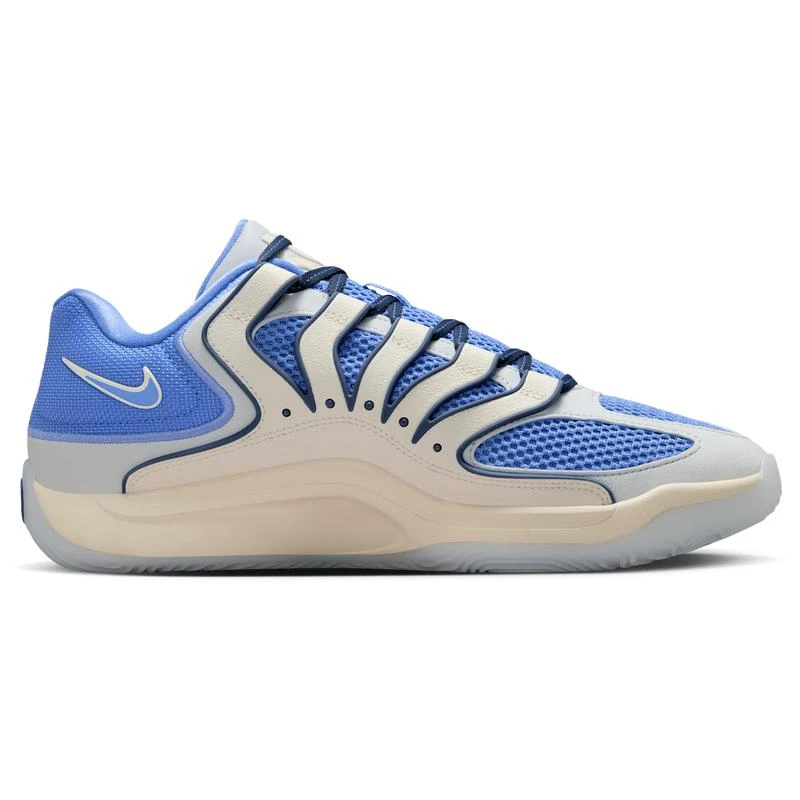 01
01Nikeperformance
Nike KD 18 Men's Basketball Shoes
Fit checks · court use · current options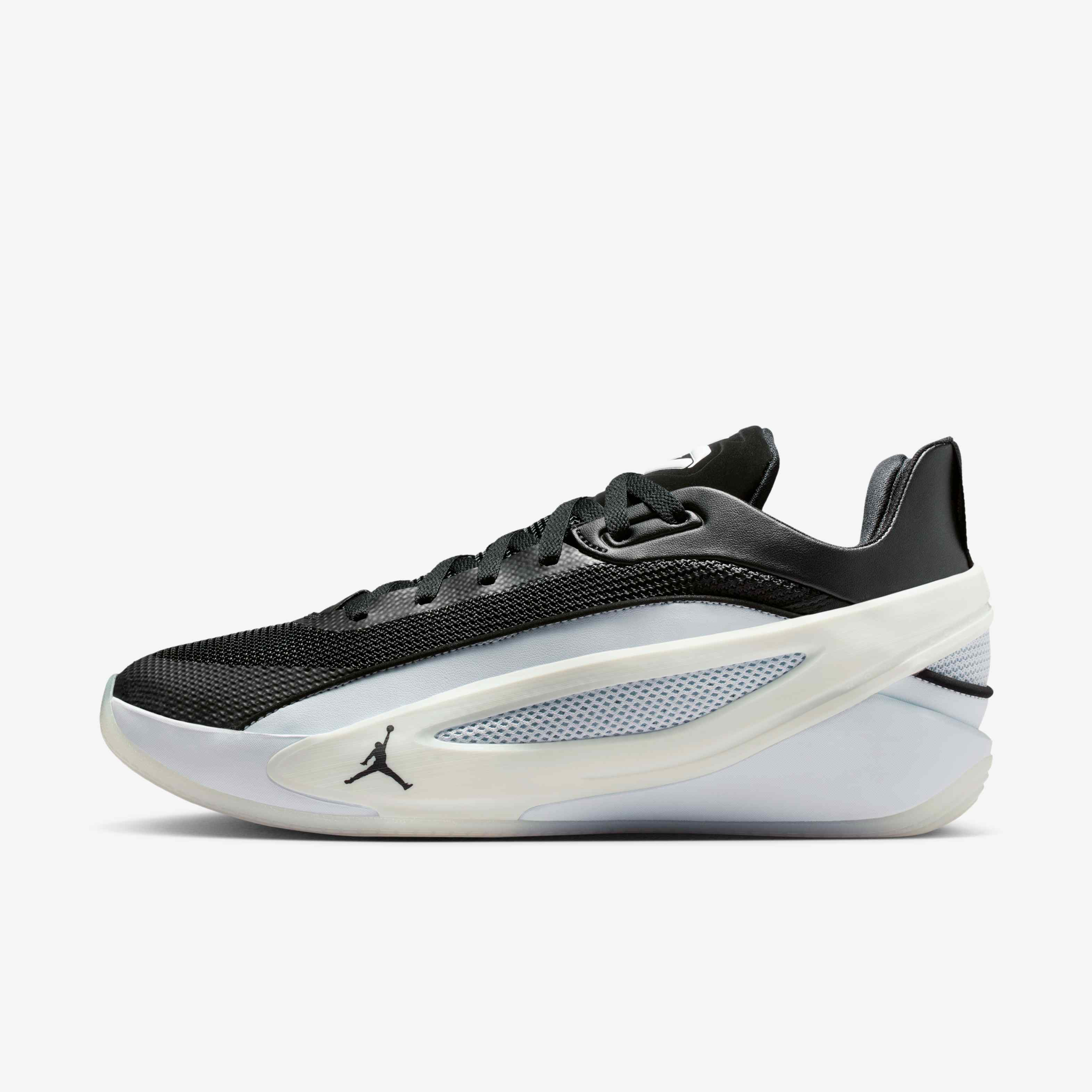 02
02Jordanperformance
Jordan Luka 5 Men's Basketball Shoes
Fit checks · court use · current options 03
03PUMAperformance
PUMA LaMelo Ball MB.05 World Tour Basketball Shoes
Fit checks · court use · current options 04
04New Balanceperformance
New Balance TWO WXY V5 Basketball Shoes
Fit checks · court use · current options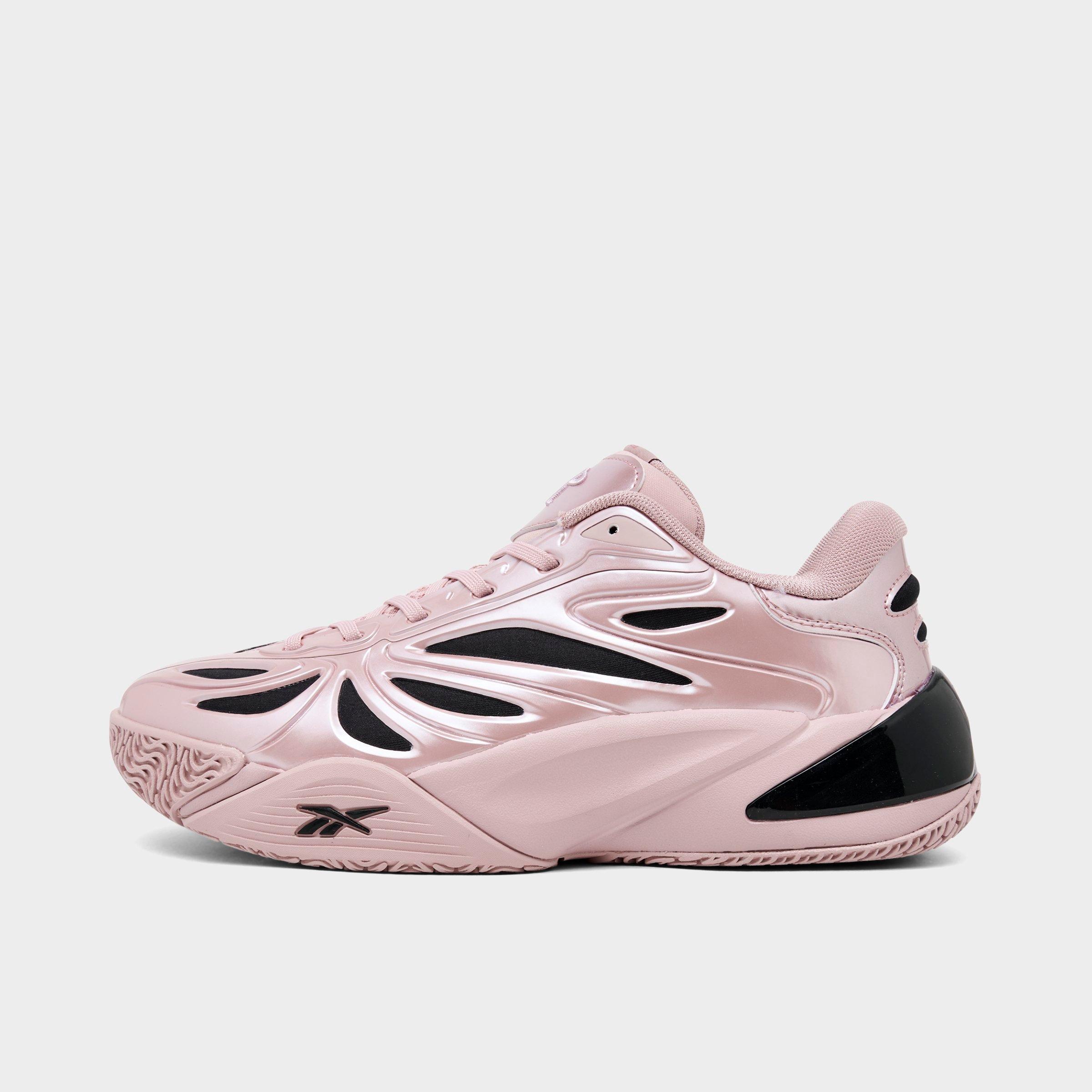 05
05Reebokperformance
Reebok Angel Reese 1 Basketball Shoes
Fit checks · court use · current options 06
06Way of Wadeperformance
Way of Wade 12 Men's Basketball Shoes
Fit checks · court use · current options04
Balance cushioning with platform control
Cushioning should manage the player's impact without making the base feel unpredictable. Higher and softer are not automatically better. Quick players may prefer a direct transition and controlled forefoot response, while larger players or frequent jumpers may prioritize heel protection and a broader landing platform. Both still need torsional support and reliable containment.
Judge foam only after checking the full geometry. A wide base, stable heel and secure upper can make cushioning easier to control. A narrow base or loose heel can make even premium foam feel unstable. When pain or injury is part of the question, footwear guidance should remain educational; persistent symptoms deserve assessment from a qualified medical professional.
05
How to compare the current model listings
The catalog currently gives this guide a practical comparison set that includes Nike KD 18 Men's Basketball Shoes, Jordan Luka 5 Men's Basketball Shoes, PUMA LaMelo Ball MB.05 World Tour Basketball Shoes, New Balance TWO WXY V5 Basketball Shoes, Reebok Angel Reese 1 Basketball Shoes and Way of Wade 12 Men's Basketball Shoes. These names are starting points, not automatic recommendations. Open each exact listing and confirm that the selected size and color still belong to the model described; Amazon may combine variations, sellers or generations on a single page.
Compare no more than three finalists at once. Record the intended court, size availability, return terms and the one tradeoff most likely to matter. This prevents the choice from collapsing into a contest between promotional claims. If two models satisfy the same job, the one with the more secure fit and safer return path is often the more sensible first try.
06
Price, seller and return checks before ordering
Availability and seller terms change more quickly than editorial guidance. Verify the seller, exact model name, size system, colorway, shipping promise and return policy on Amazon at the time of purchase. Do not assume a low price applies to every size, and do not use a displayed discount as evidence that a shoe is suitable for serious basketball.
For unfamiliar brands or first-time model families, a returnable listing has extra value because fit language cannot fully predict individual foot shape. Keep the outsole clean and test only under the seller's permitted conditions. BasketballShoes.app organizes discovery and links to Amazon; it does not sell, ship, authenticate or process returns for these products.
07
The mistakes that create bad basketball-shoe purchases
The most common error is using harsh cleaners or quick fixes before diagnosing wear. Other avoidable mistakes include buying excessive growth room for a young player, assuming collar height prevents ankle injuries, choosing translucent indoor rubber for regular concrete use and trusting a lifestyle silhouette because it has basketball heritage.
A disciplined shortlist remains intentionally small. Define the job, reject models that fail the fit or surface requirement, compare the remaining tradeoffs and verify the exact listing. This process is less exciting than chasing every release, but it produces a better chance of receiving a shoe that can actually be used rather than merely admired.
PAAQuestions players ask
Frequently asked questions
What is the first thing to check when shopping for how to restore grip on basketball shoes?
Start with fit security and court use. Confirm heel lockdown, usable toe room and the right outsole for the playing surface before comparing cushioning, weight or appearance.
Should basketball shoes feel tight at first?
They should feel secure, not painful. Mild material settling is different from toe pressure, numbness or heel movement. A wrong width or shape rarely becomes correct through break-in.
Can the same basketball shoe work indoors and outdoors?
Some can, but frequent outdoor use accelerates wear. Check rubber coverage and tread depth, and consider preserving a cleaner indoor pair when traction matters.
Is a high-top automatically better for ankle support?
No. Collar height is only one part of the system. Heel lockdown, platform width, lateral containment, strength and appropriate rehabilitation matter more than the label alone.
How many models should I compare before buying?
Three serious finalists are usually enough. More options can obscure the decisive differences in fit, surface suitability and return terms.
Why does the Amazon listing need to be checked again?
Sizes, colors, sellers and combined variations can change. Confirm the exact model identity and current terms immediately before ordering.
FINAL VERDICTMake the short list smaller
The decision
For how to restore grip on basketball shoes, the best decision is the model that solves the player's real fit and court problem with the fewest compromises. Begin with consistent bite in the court conditions you actually face; compare rubber compound, groove spacing and dust tolerance; reject shallow patterns that clog quickly; and verify the exact Amazon option before purchase. The products shown below are useful models to compare for this question, but every pair still needs to earn its place through fit and court use.
Compare another exact model on Amazon âAs an Amazon Associate, we may earn from qualifying purchases. BasketballShoes.app does not sell, ship, authenticate or accept returns for products linked in this guide.